



Causes Multiple Sclerosis
If you research this question using Dr. Google
You’ll find the most common answer remains ‘the exact cause of MS is unknown’, however, scientists believe that there are four factors that play a role in development of the disease:
- immunologic; immune system attacking the body
- genetic; 2>5% of MS Patients
- environmental; lack of sunshine causing lack of vitamin D
- viral; past history of illnesses
Other risk factors?
In addition to the list above there are other risk factors for developing MS;
- Sex: Women are two to three times more likely to develop MS than men are.
- Age: According to the Mayo Clinic, MS usually strikes between the ages of 20 and 40.
What can make MS symptoms worse?
- Stress
- Smoking
- Heat
- Infections
- Medication
- Lack of sleep
As a reader of my Blogs, you are here to find scientific, honest truth, and education about a certain aspect within the Blog. So here’s some important information for your development:
- Scientific research doesn’t have to be complicated – I will support your understanding of the ‘language’.
- You don’t have to be involved in research to appreciate it – it’s all around us and very much dictates lots about our daily lives.
- Build on your foundations – just like building a house! We start from the bottom up.
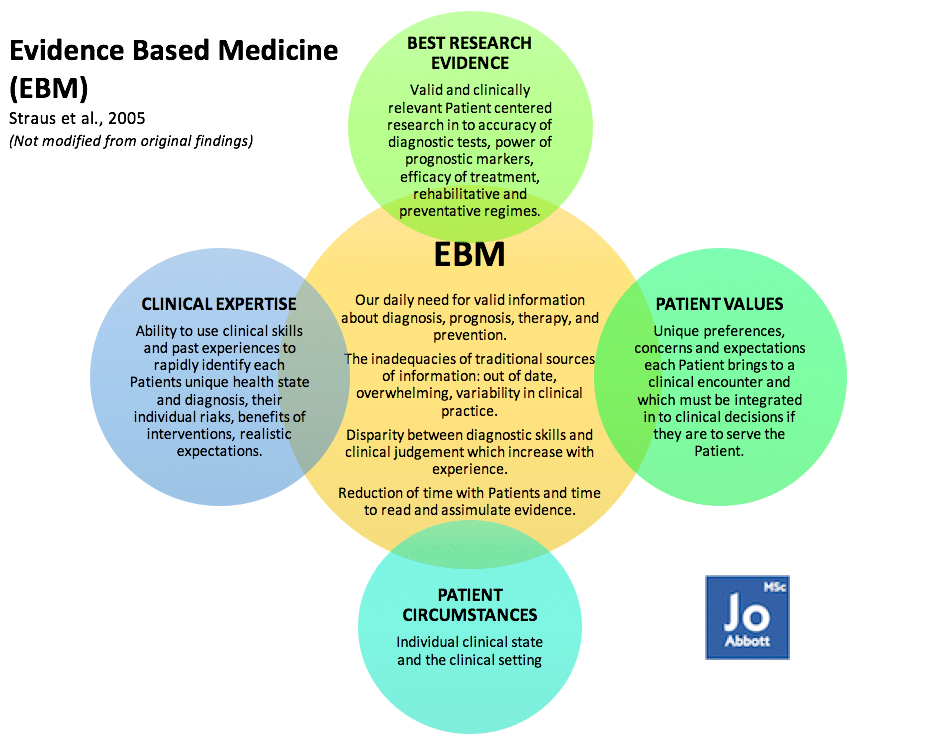
What is Scientific Research?
What is the MS Scientific Research telling us?
Since 1994 there have been 96 EBM studies have been published exploring the relationship between MS and gut health, with 29% of these studies published this year! This is an incredible growth in the investigations between MS and gut health. Albeit a small pool of studies (average 4.5 per year whereas Low Back Pain (LBP) averages 66 studies per year) there remains a continuum of strong evidence of a relationship between MS and gut health.
If you ask the Scientists…
Yadav and colleagues (October 2017) have shown that the induction of gut dysbiosis triggers the development of spontaneous experimental autoimmune encephalomyelitis (EAE) during adolescence and early young adulthood. Whilst Cekanaviciute and colleagues (2017) demonstrated the immunoregulatory effects of human gut microbiota in multiple sclerosis (MS) and identified specific bacteria that is associated with MS. These results expand the knowledge of the microbial regulation of immunity and may provide a basis for the development of microbiome-based therapeutics in autoimmune diseases.
A new way of thinking…
Using all the skills I have learnt in my lifetime (Learn More), then applying this to the information gathered from the EBM, I proposed an idea to my wife:
- Whilst we are waiting for the Medical Team to process our next stage from diagnosis to treatment, we have time to explore what we can do to see if we can support her daily symptoms.
- We know the outcome of the proposed treatment: Lemtrada or Tysabri, both forms of chemotherapy.
- Ideally, my wife wanted to avoid any treatment with needles because she has a significant phobia of needles. NB: This is no ordinary phobia! (see Blog on ‘What Medical Teams can Learn from the Patient and Family Experiences’ coming soon).
- My wife’s need to not poison her body with Lemtrada or Tysabri.
One wish from me: all inquisitive minds research go look at the science before using Dr. Google https://www.ncbi.nlm.nih.gov/pubmed/